Table of Contents
Starting a Shopify store is straightforward. Growing it into a store that consistently attracts traffic, converts visitors, and retains customers is an entirely different challenge. The good news is that most of the improvements that drive meaningful growth are learnable, repeatable, and do not require a large budget.
This guide organizes the most effective Shopify tips and tricks by category — design, SEO, social media, email, customer service, data, and operations — so you can apply them systematically rather than randomly.
Table of Contents
Why Shopify Is Worth Optimizing
Before diving into the tactics, it helps to understand why Shopify is the platform worth building on in the first place. Shopify holds close to 20% of the eCommerce platform market share globally, making it one of the two most widely used platforms for online stores. It is designed to be accessible to merchants at every level — from first-time sellers to established brands processing thousands of orders per day.
Key reasons merchants choose and stay with Shopify:
- No technical expertise required to manage and update the store
- Plans starting at $29/month with a predictable cost structure
- Over 8,000 apps in the Shopify App Store covering virtually every business need
- Built-in hosting, security, and payment processing
- Native multichannel selling (online store, POS, social, marketplace)
A well-run Shopify store does not become successful because of the platform alone. The platform provides the infrastructure — what you build on top of it determines the outcome.

Shopify Tips and Tricks for Store Owners
1. Website design: Make Every First Impression Count
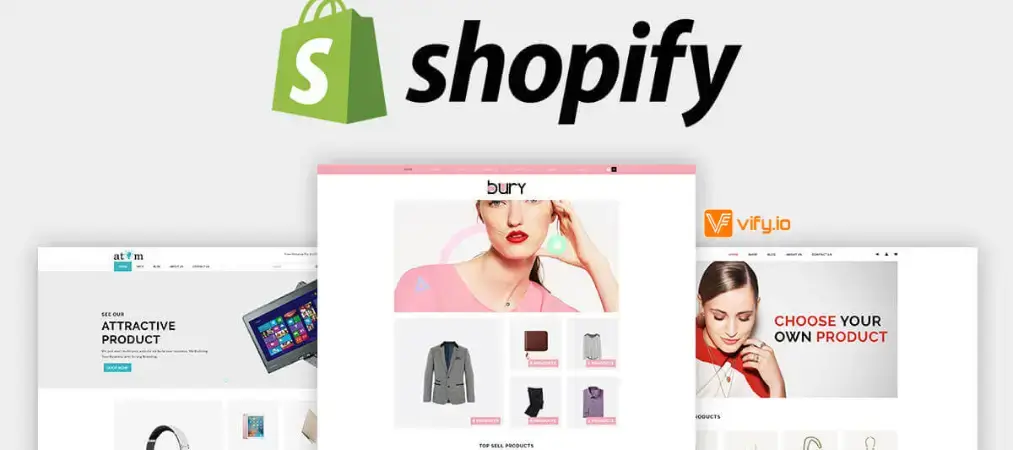
Website design is a crucial factor in attracting and retaining customers for any online business. A well-designed website can create a positive first impression, build trust with customers, and enhance the user experience, ultimately leading to higher conversion rates and repeat purchases. In contrast, a poorly designed website can frustrate customers, drive them away from your store, and harm your brand reputation.
Your store’s design shapes how customers perceive your brand before they read a single word of product copy. A clean, professional, well-structured website signals trustworthiness. A cluttered or inconsistent one triggers doubt — and doubt kills conversions.
To optimize website design for your Shopify store, consider the following tips:
1. Use High-Quality Product Images
Clear, high-quality images of your products can make a huge difference in capturing the attention of potential customers and showcasing the quality of your products. Use high-resolution images and provide multiple angles and views of the product.
2. Have a Clear Call-to-Action
Make it easy for customers to take the desired action on your website, such as making a purchase or signing up for your newsletter. Use clear and prominent calls-to-action (CTAs) that stand out and use action-oriented language such as “Buy Now” or “Sign Up Today.”
3. Make the Website Easy to Navigate
Simplify the navigation menu and make it easy for customers to find what they are looking for. Use clear and descriptive labels for each category and subcategory, and ensure that all links and buttons are working properly.
- Use a Consistent Branding and Color Scheme: Consistent branding and color scheme can help build brand recognition and create a cohesive look and feel for your store. Use a consistent font, color scheme, and logo across all pages of your website.
- Optimize for Mobile Devices: With more and more customers using mobile devices to shop online, it’s important to ensure that your website is optimized for mobile devices. Use a responsive design that adjusts to the screen size of the device and make sure that all buttons and links are easy to click with a finger.
By implementing these tips, you can optimize your website design to attract and retain customers, improve the user experience, and ultimately drive sales and revenue for your Shopify store.
2. SEO Optimization: : Help Customers Find You Organically
SEO optimization is an essential part of any successful e-commerce business as it helps improve website visibility, drive traffic, and increase sales. Search engines like Google use complex algorithms to rank websites based on various factors, such as relevance, quality, and authority. By optimizing your website for SEO, you can improve your search engine rankings, making it easier for potential customers to find your store online.
A strong product description addresses: what the product is, who it is for, what problem it solves or benefit it delivers, and any key specifications the customer needs to make a decision. Write for the customer first; include relevant keywords naturally where they fit
Here are some tips for optimizing SEO:
- Optimize product descriptions: Make sure your product descriptions are unique, descriptive, and contain relevant keywords. Avoid copying product descriptions from manufacturers or other websites as it can harm your website’s SEO.
- Use relevant keywords: Use relevant keywords throughout your website, including in product descriptions, page titles, and meta descriptions. Conduct keyword research to identify the most relevant and valuable keywords for your business.
- Create high-quality content: Create high-quality content such as blog posts, videos, and infographics to provide value to your audience and improve your website’s SEO. Use relevant keywords and internal linking to improve the visibility of your content.
- Improve website speed: Website speed is an important factor in SEO rankings. Optimize your website’s loading speed by compressing images, reducing the number of HTTP requests, and using a content delivery network.
- Ensure mobile optimization: A large portion of online traffic comes from mobile devices, so it’s essential to ensure your website is optimized for mobile devices. Make sure your website is responsive and loads quickly on mobile devices.
- Have clear call-to-action: Make sure your website has clear and visible call-to-action buttons and links, encouraging users to take specific actions on your website, such as making a purchase or subscribing to your newsletter.
By implementing these tips and optimizing your website for SEO, you can improve your website’s visibility, attract more traffic, and ultimately drive more sales for your e-commerce business.
3. Social Media Marketing: Build Presence Where Your Customers Are
Social media is not just a broadcast channel — it is where customers discover brands, evaluate them, and make purchasing decisions. A well-managed social presence drives both direct traffic and brand recognition that supports conversion across all other channels.
Here are some Shopify tips and tricks for optimizing social media marketing:
1. Choose the right social media platforms
Determine which platforms your target audience is most active on and create a presence there. This could include popular platforms such as Facebook, Instagram, Twitter, and LinkedIn.
2. Create engaging content
Share high-quality images, videos, and graphics that showcase your products or services. Be sure to keep the content interesting, informative, and relevant to your target audience.
3. Use social media advertising
Utilize paid social media advertising to reach a wider audience and increase visibility. This could include running ads on Facebook or Instagram, promoting tweets on Twitter, or creating sponsored content on LinkedIn.
4. Engage with your audience
Respond to comments and messages promptly, and create a two-way dialogue with your audience. This will help build relationships and increase engagement.
5. Use hashtags
Use relevant hashtags to make your content more discoverable to users who are searching for specific topics. Be sure to research and use popular and relevant hashtags in your posts.
6. Measure your success
Use analytics tools provided by social media platforms to track your performance and identify areas for improvement. Use this data to refine your social media marketing strategy and make informed decisions.
4. Email Marketing: : Your Highest-ROI Channel
Email marketing consistently delivers the highest return on investment of any digital marketing channel for eCommerce businesses. Unlike social media, you own your email list — no algorithm controls who receives your messages.
Here are some Shopify tips and tricks for optimizing email marketing for Shopify stores:
- Build a subscriber list: One of the most important elements of email marketing is having a strong subscriber list. Encourage customers to sign up for your newsletter by offering incentives such as exclusive discounts or early access to new products.
- Create compelling subject lines: The subject line is the first thing customers see when they receive an email, so it’s important to make it engaging and compelling. Use attention-grabbing language and highlight the value of the email’s content.
- Personalize emails: Personalization is key to building a relationship with customers. Use their name in the greeting and tailor the content of the email to their interests and behavior.
- Use automation: Automation can save time and increase efficiency in email marketing. Set up automated campaigns such as welcome emails, abandoned cart reminders, and post-purchase follow-ups to keep customers engaged.
- Monitor performance: Keep track of email performance metrics such as open rates, click-through rates, and conversion rates to understand what works and what doesn’t. Use this information to refine your email marketing strategy over time.
By following these tips and utilizing the power of email marketing, Shopify store owners can build stronger relationships with their customers and drive sales in a cost-effective and efficient way.
5. Customer service: The Differentiator Most Stores Underestimate
In a market where products and prices are often similar across multiple stores, customer service becomes one of the clearest differentiators. Customers remember how they were treated far longer than they remember the price they paid.
Here are some Shopify tips and tricks for improving customer service:
- Respond promptly to customer inquiries: Customers expect a timely response to their inquiries. Aim to respond within 24 hours, preferably sooner.
- Offer easy returns: Make the return process as easy as possible for customers. This can help build trust and increase customer satisfaction.
- Provide clear product information: Ensure that customers have access to clear and accurate information about products, including pricing, shipping options, and product features.
- Be friendly and professional: When communicating with customers, be friendly and professional. Use positive language and avoid defensive or confrontational responses.
- Show appreciation: Show customers that you value their business by offering special promotions or discounts, sending thank-you notes, or offering personalized recommendations based on their purchase history.
By providing excellent customer service, Shopify store owners can build strong relationships with their customers, increase customer loyalty, and ultimately drive sales.
6. Analytics & Data: Make Decisions Based on Evidence
Instinct has a role in business, but sustainable growth requires understanding what is actually happening in your store — not what you assume is happening.
Here are some tips for analyzing website data:
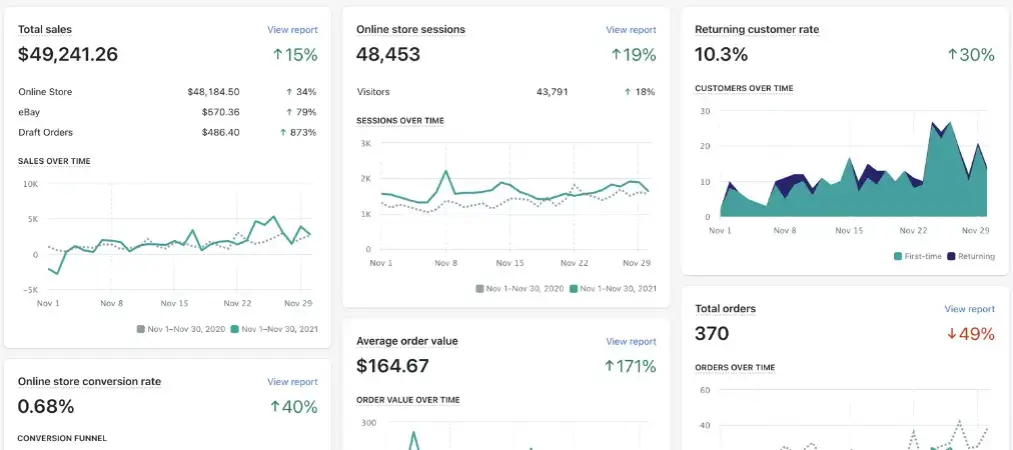
- Track website traffic: Shopify store owners can use tools like Google Analytics to track website traffic and analyze user behavior. By monitoring website traffic, store owners can identify popular products, pages, and content, and optimize their website accordingly.
- Monitor sales trends: By tracking sales trends, Shopify store owners can identify which products are selling well and adjust their marketing and inventory accordingly. This helps to optimize revenue and minimize losses.
- Analyze customer behavior: Shopify store owners can use tools like heat maps and session recordings to analyze customer behavior on their website. By analyzing how customers navigate the website, store owners can identify any pain points and optimize the user experience.
- Monitor customer feedback: Shopify store owners can use tools like surveys and feedback forms to collect customer feedback. By monitoring customer feedback, store owners can identify areas for improvement and make necessary changes.
- Use data to make informed business decisions: By analyzing website data, Shopify store owners can make informed decisions about marketing, inventory, and website optimization. This helps to improve customer experience, increase sales, and grow the business.
In summary, analytics and data are essential for Shopify store owners who want to make informed business decisions. By tracking website traffic, monitoring sales trends, analyzing customer behavior, and monitoring customer feedback, Shopify store owners can optimize their website and improve their customer experience.
7. Operational Shopify Tips and Tricks That Directly Impact Sales
Choose the best fitting theme
Theme is the basic structure of your website, thus be careful what you choose, as it is the first thing customers notice when visiting.
Shopify offers ~100 different themes with even more styles that serve different fields of business. You could also customize and make your own if you wish.
Optimize for Mobile
Nowadays people shop on their phones almost all the time. And it is no surprise that nearly 50% of online orders are placed on mobile phones.
If your website is not mobile-friendly, it is a guarantee that you will lose a large portion of sale.
Offer free shipping
Behavior study shows that almost 100% people would choose a $100 product with free shipping over a 0$ product with a $100 shipping fee. Free shipping is one of the best things to attract customers.
Consider this if you are starting a new business and wish to have as many customers as possible.
Push for product reviews
People tend to buy products that have been bought before and have good reviews from customers.
They are more likely to believe other fellow users than shop owners. It is always recommended to encourage your customer to leave a comment on your products.
Integrate multiple payment options
Not all customers use the same payment methods to purchase online, and you do not want to miss one order because a specific payment is not supported in your store.
One great idea is to allow sellers to save their payment information by creating an account. This will make them feel like coming back again is worth it. You also want to offer options like Paypal, debit/credit, cryptocurrency, and wire transfer.
Allow guess checkout
This simple process might save you more sales than you expect.
Nowadays people sometimes are “lazy” enough that you do not wish to create an account just to purchase something online, thus ready to abandon the cart if needed.
Guess checkout could help save you a potential sale, and might help them stay with you next time as well.

Recommended Shopify Apps to Support These Strategies
Some of the above actions cannot be manually achieved, thus automation is highly recommended. There are more than 5000 applications in the stores that could help you with these tasks.
The most common ones could be found on the top pages on search, and here are some we would suggest that you try:
- Avada SEO Image Optimizer
- Vify Order Printer: PDF Invoice Pro
- VF: Gift Card Loyalty Rewards
- Judge.me
- Hextom: Ultimate Sales Boost
- Pagefly Landing Page Builder
- Ali Reviews – Product Reviews
- Smile: Loyalty & Rewards
And more could be found on apps.shopify.com.
That was all we wish to share with you today, hope that it helps. We will be back soon, stay tuned.
Automation and purpose-built tools make many of the strategies above dramatically easier to implement at scale. The following apps are among the most widely used and consistently well-reviewed in their respective categories:
| Category | App |
|---|---|
| SEO optimization | Avada SEO & Image Optimizer |
| PDF invoices & order documents | Vify Order Printer: PDF Invoice Pro |
| Gift cards & loyalty rewards | Vify Professional Gift Cards |
| Product reviews | Judge.me Product Reviews |
| Sales conversion | Hextom: Ultimate Sales Boost |
| Landing page builder | PageFly Landing Page Builder |
| Loyalty & rewards programs | Smile: Loyalty & Rewards |
Browse the full Shopify App Store at apps.shopify.com for additional options in any category.
Conclusion
Growing a successful Shopify store does not happen through a single strategy or quick shortcut. Real long-term results come from consistently applying the right Shopify tips and tricks across every part of your business — from store design and SEO to marketing, customer experience, and daily operations.
The most effective approach is to identify the areas where your store has the most room for improvement and focus on optimizing them step by step. Small but strategic changes can lead to significant growth over time when combined with regular testing, analysis, and optimization.
Whether you are just starting your Shopify journey or looking to scale an existing business, these Shopify tips and tricks can help you improve performance, increase conversions, and build a stronger online store.
For more eCommerce insights, Shopify business tips, and practical resources, visit orderprinter.vify.io and explore our latest guides to help grow your Shopify store more effectively.