Table of Contents
Growing an online business has never been more competitive. More merchants are moving online every year, attention spans are shorter, and customer acquisition costs continue to rise. The businesses that grow reliably are not necessarily the ones with the biggest budgets — they are the ones with the clearest, most consistent promotion strategy.
This guide covers seven proven methods to promote your online business, generate more traffic, and convert visitors into paying customers. These are not quick fixes. They are sustainable channels that compound over time when applied consistently.
Table of Contents
1. Content Marketing
Content marketing is one of the highest-return promotional strategies available to online businesses. When done well, it drives organic traffic continuously — without paying for each visit — and positions your brand as a trusted authority in your industry.
Start a Blog
A blog on your online business website creates a permanent library of valuable content that attracts potential customers through search engines. Unlike paid ads, which stop the moment you stop spending, a well-written blog post can generate traffic for years.
The most effective approach is to answer questions your customers are already asking. Talk to your customer support team, review your inbox, and note the most common queries. Turn each one into a focused, well-structured article. For example, if you sell clothing, a post like “How to style a patterned shirt for a casual look” targets a specific search intent, showcases your products naturally, and lets you link directly to relevant items.
When writing, keep your target keywords in mind — not to stuff them in unnaturally, but to ensure your content matches the language your customers actually use when searching. Use high-quality images, clear headings, and direct calls to action that link to your product pages or category pages.
Guest posting on established industry blogs is another underused tactic. It expands your reach to an already-engaged audience, earns you backlinks that strengthen your domain authority, and establishes your credibility outside your own platform.

Work With Influencers
Influencer partnerships can accelerate reach in ways organic content alone cannot. The key is to target influencers whose audience genuinely overlaps with your customer profile — not just those with the highest follower counts.
Approach influencer outreach as a professional business proposal. Be specific about what you are offering (free product samples, an affiliate commission, a sponsored campaign) and what you are asking for (an honest review, a product feature in a post or video, a giveaway). Micro-influencers — those with smaller but highly engaged audiences — often deliver better conversion rates than mega-influencers and are far more accessible for small to mid-sized online businesses.
Leverage User-Generated Content
User-generated content (UGC) is one of the most credible forms of social proof available. Photos, reviews, and videos created by real customers carry significantly more trust than polished brand content. Encourage customers to share their purchases by creating a branded hashtag, running photo contests, or simply asking for it in your post-purchase emails.
Repost strong UGC on your social channels and embed customer photos on relevant product pages. It costs almost nothing and builds the kind of authentic trust that paid advertising cannot replicate.
2. Social Media Marketing
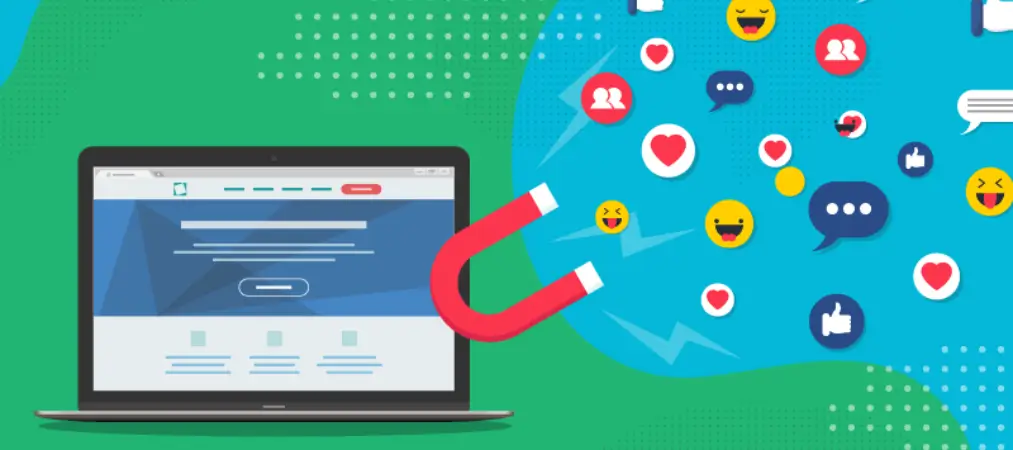
Customers routinely check a brand’s social media presence before making a purchase. An inactive or absent profile can cost you sales — and an active, engaging one can generate them consistently.
You do not need to be present on every platform. Start with one or two channels where your target customers already spend time. Instagram and TikTok are strong for visual and lifestyle products; LinkedIn works well for B2B services; Facebook remains effective for community building and paid advertising.
Practical principles for social media growth:
- Post consistently. Whether it is once a day or three times a week, consistency matters more than frequency. Use a content calendar and scheduling tools (Buffer, Later, Hootsuite) to maintain a regular cadence without spending hours each week.
- Mix content types. Product photos, behind-the-scenes content, customer stories, short-form video, and educational posts all serve different purposes. A feed that only promotes products gets ignored; a feed that provides value gets followed.
- Engage actively. Reply to comments and DMs promptly. Ask questions in your captions. Run polls. Social platforms reward accounts that generate meaningful interaction with increased organic reach.
- Add social sharing buttons to your website. Make it easy for visitors to share products or blog posts directly from your site to their own followers.
3. Paid Advertising
Organic channels take time to build. Paid advertising delivers traffic immediately and allows you to test offers, audiences, and messaging with measurable results.
Search advertising (Google Ads / PPC): Pay-per-click ads target users who are actively searching for products like yours. Because intent is high at the point of search, conversion rates from PPC are typically strong. The risk is budget waste from poorly targeted keywords or weak landing pages — optimize both before scaling spend.
Social media advertising (Meta, TikTok, Pinterest): Paid social allows precise audience targeting based on demographics, interests, and behaviors. Meta (Facebook and Instagram) ads remain one of the most powerful tools for eCommerce online businesses due to their advanced pixel tracking and lookalike audience capabilities. When setting up Facebook campaigns, optimize for website conversions rather than clicks or impressions to ensure the algorithm works toward actual purchases.
Retargeting: Both Google and Meta offer retargeting campaigns that show ads to users who have already visited your site. Retargeting audiences convert at significantly higher rates than cold traffic because they are already familiar with your brand.
Start with a modest budget, test one variable at a time, and scale only what is working. Paid advertising rewards discipline and data, not just spend.
4. Email Marketing
Email remains one of the highest-ROI marketing channels for online businesses. Unlike social media, you own your email list — no algorithm controls who sees your messages.
Build your list actively. Place opt-in forms at high-visibility points on your website: the homepage, product pages, the checkout flow, and the footer. Offer a real incentive — a discount code, a free resource, or early access to new products — in exchange for subscribing.
Segment your list. Not all subscribers are the same. New subscribers, repeat customers, and lapsed customers each respond to different messages. Basic segmentation — even just separating new subscribers from repeat buyers — dramatically improves open rates and click-through rates.
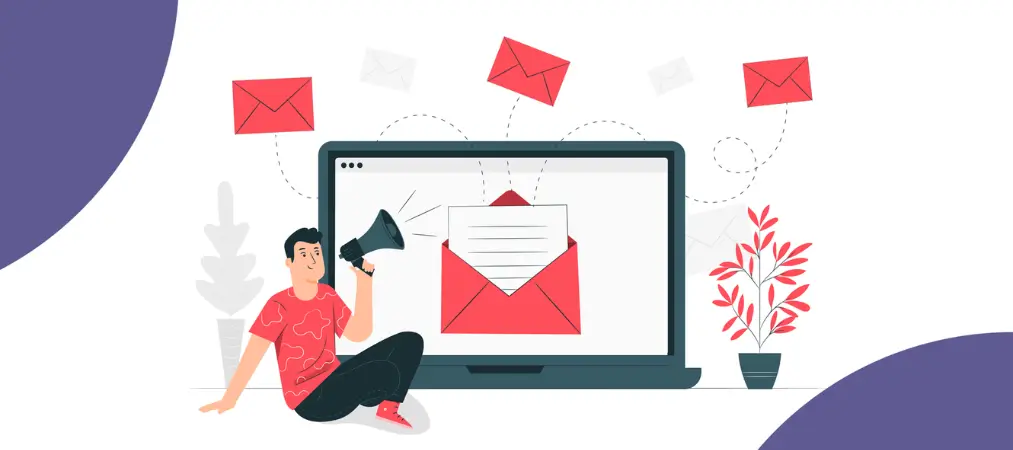
Types of emails worth sending:
- Welcome sequences — Set expectations and introduce your brand story to new subscribers while intent is highest.
- Abandoned cart emails — Automatically triggered when someone adds items to their cart but does not complete checkout. These recover a meaningful percentage of lost revenue with minimal effort.
- Promotional emails — Announce sales, new arrivals, and seasonal offers. Create urgency with time-limited discounts.
- Post-purchase follow-ups — Thank customers, request reviews, and suggest complementary products. These emails have some of the highest open rates in email marketing.
- Re-engagement campaigns — Win back subscribers who have gone quiet with a compelling offer before removing them from your list.
Keep subject lines short, clear, and curiosity-driven. Personalize wherever possible — even adding the recipient’s first name to the subject line measurably improves open rates.
5. Website Optimization
Traffic is only valuable if your website converts it. A slow, confusing, or hard-to-navigate site loses customers regardless of how well your other promotional channels perform.
Optimize for Search Engines (On-Page SEO)
Use relevant keywords naturally in your product titles, descriptions, page headings, and meta tags. Do not overload pages with keywords — write for your customer first, with search engines in mind as a secondary audience.
Include descriptive alt tags and file names for all product images. Search engines cannot see images — they read alt text. Properly tagged images appear in Google Image Search and contribute to page relevance signals.
Create individual, well-written product descriptions rather than copying manufacturer copy. Duplicate content hurts rankings; unique, detailed descriptions help them.
Optimize for Mobile
More than half of all eCommerce traffic comes from mobile devices. A site that performs poorly on mobile loses a significant portion of potential customers before they ever reach the checkout.
Test your site on multiple devices and screen sizes. Prioritize fast load times (compress images, minimize unnecessary scripts), large and tappable buttons, a streamlined checkout process, and a mobile-friendly payment experience. Google’s mobile-first indexing means your mobile site performance directly affects your search rankings.
Improve Page Speed
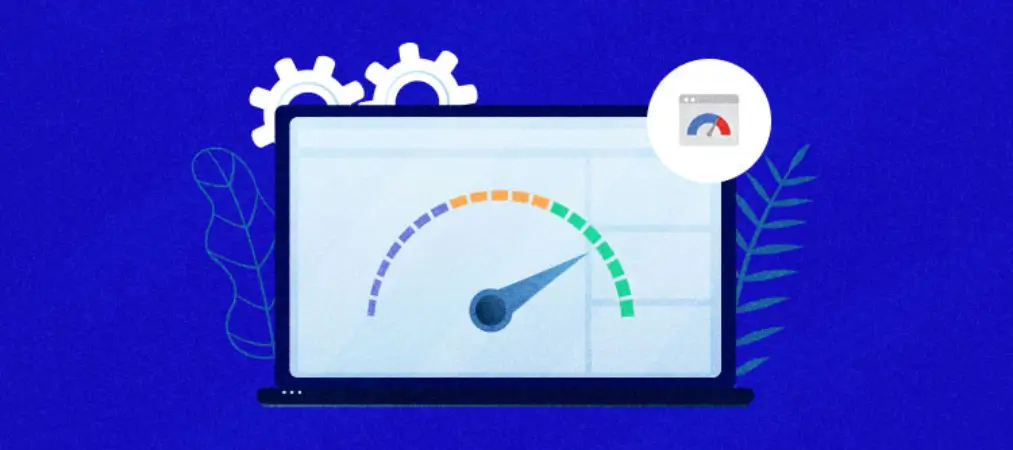
Every additional second of load time increases bounce rate. Use tools like Google PageSpeed Insights or GTmetrix to identify and fix performance bottlenecks. Common quick wins include compressing images, enabling browser caching, reducing redirect chains, and using a content delivery network (CDN).
6. Customer Reviews and Social Proof
Reviews are one of the most powerful purchase drivers in eCommerce. A product with dozens of positive reviews consistently outperforms an identical product with none — even at a higher price point.
Ask for reviews proactively. Most satisfied customers do not leave reviews unless prompted. Send a post-purchase email two to four weeks after delivery asking for feedback. Make the request easy — include a direct link to the review page.
Respond to all reviews — especially negative ones. How you handle a negative review matters as much as the review itself. A thoughtful, professional response that acknowledges the issue and offers a resolution demonstrates to every reader that you take customer satisfaction seriously. Many customers change or update their reviews after a brand responds constructively.
Display reviews prominently. Feature customer testimonials on your homepage, product pages, and checkout page. Social proof at the point of decision reduces hesitation and increases conversion rate.
7. Retention: Packages, Gifts, and Loyalty Incentives
Acquiring a new customer costs significantly more than retaining an existing one. Investing in the post-purchase experience is one of the most cost-efficient ways to grow long-term revenue.
Add a gift or surprise to first orders. A small, branded item — a sticker, a keychain, a handwritten note, a reusable bag with your store URL — creates a memorable unboxing moment. It costs little but leaves a disproportionately positive impression. Customers who feel valued come back, and they tell others.
Include coupons or exclusive offers in packaging. A time-limited discount for the next purchase, tucked into the package, creates urgency and a clear reason to return. The physical format — something the customer holds in their hands — is more memorable than an email promotion.
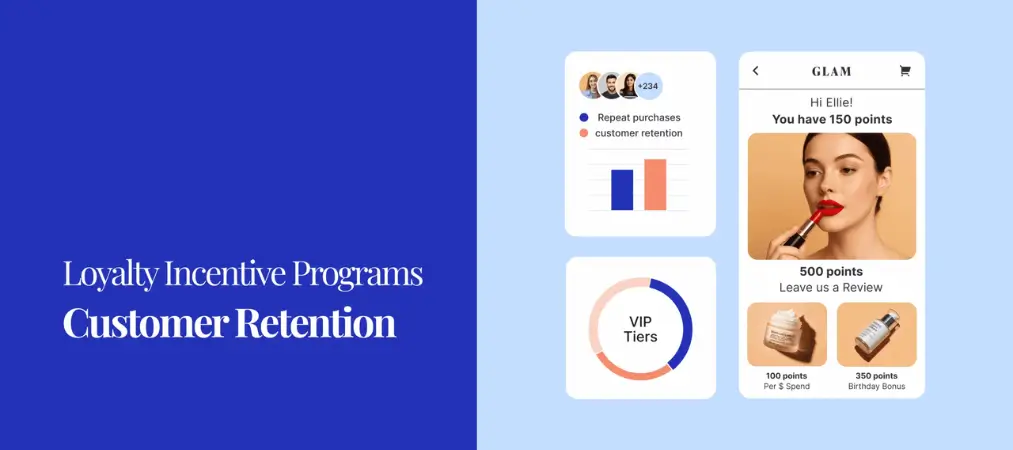
Build a loyalty or rewards program. Points systems, tiered memberships, and referral programs give customers a financial reason to consolidate their purchases with you rather than shopping around. Loyalty programs also generate valuable purchase data you can use to personalize future communications.
Building a Promotion Strategy That Compounds
The most effective promotional approach combines multiple channels working together. Content marketing builds your organic foundation. Social media amplifies your reach and builds community. Email marketing converts and retains. Paid advertising accelerates growth when organic channels need a boost. Website optimization ensures every visitor gets the best possible experience.
No single tactic will transform your online business overnight. But a consistent, well-executed strategy across these seven channels compounds over time — bringing in more traffic, more trust, and more customers with every passing month.
Start with the one or two channels where your target customers are most active, execute consistently, and expand from there.
If you want to know about how to set up a Shopify store, you can check our other articles on our website here: orderprinter.vify.io.