Table of Contents
As online shopping continues to grow, customer expectations for convenience and speed are higher than ever. Modern users want fast, seamless experiences when browsing websites, creating accounts, and completing purchases. This is why understanding the importance of social login has become essential for ecommerce businesses.
Traditional registration systems often create friction during the signup process. Customers may hesitate to create new accounts, remember passwords, or fill out long forms. Social login offers a faster alternative by allowing users to sign in using existing social media accounts such as Google, Facebook, or Apple.
In this article, we’ll explore the importance of social login, explain why social login for ecommerce is becoming increasingly popular, and discuss how businesses can improve user experience with social login integration.
Table of Contents
What Is Social Login?
Social login is a feature that allows users to register or log into a website using their social media accounts instead of creating separate usernames and passwords.
Common platforms used for social media login integration include:
- Apple
- X (Twitter)
When users choose social login, authentication is handled through the selected platform, simplifying the registration process and reducing login friction.
For ecommerce businesses, this creates a more convenient customer experience while helping increase account registrations and conversions.
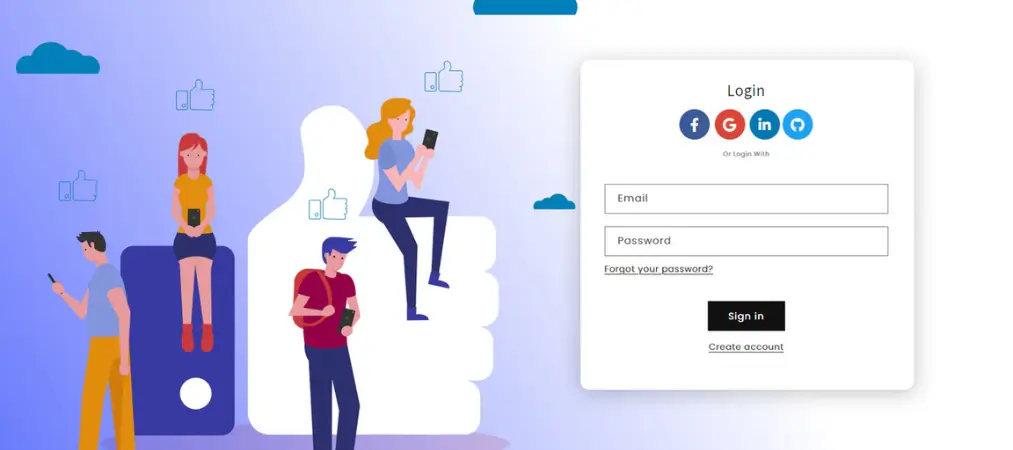
The Importance of Social Login in Ecommerce
The importance of social login goes beyond convenience. It directly affects customer experience, conversion rates, and long-term engagement.
Online shoppers often abandon websites when registration processes feel complicated or time-consuming. Social login helps eliminate unnecessary steps and allows users to access websites more quickly.
In highly competitive ecommerce markets, simplifying the customer journey can significantly improve business performance.
Many brands now consider social login for ecommerce a standard feature rather than an optional enhancement.
Faster and Simpler Registration Process
One of the biggest social login benefits is reducing signup friction.
Traditional registration forms usually require users to enter names, email addresses, passwords, and additional personal information. This process can feel inconvenient, especially for mobile users.
With social login, customers can create accounts with just a few clicks.
This simplified process helps businesses improve user experience with social login while reducing cart abandonment during checkout or account creation.
The easier it is for customers to access your store, the more likely they are to complete purchases.
Improved User Experience
Customer experience plays a major role in ecommerce success.
Complex login systems can frustrate users and create barriers that reduce engagement. Social media login integration creates a smoother and more modern experience by minimizing repetitive steps.
Users no longer need to remember multiple passwords or complete lengthy forms for every website they visit.
When businesses improve user experience with social login, customers often feel more comfortable returning to the website in the future.
A seamless experience can also strengthen customer trust and brand perception.

Higher Conversion Rates
Reducing friction often leads to better conversion rates.
Many ecommerce businesses notice increased account registrations and completed purchases after implementing social login for ecommerce.
Some users abandon carts simply because they do not want to create a new account manually. Social login removes this obstacle and encourages faster checkout completion.
Mobile users especially benefit from social login because typing information on smaller screens can feel inconvenient.
Businesses that optimize convenience often see measurable improvements in customer engagement and sales performance.
Better Mobile Experience
Mobile commerce continues to grow rapidly, making mobile optimization more important than ever.
Social login benefits mobile users by reducing typing requirements and simplifying authentication on smartphones and tablets.
Instead of manually entering passwords, customers can log in instantly using saved accounts already connected to their devices.
This creates a smoother mobile shopping experience and supports higher mobile conversion rates.
For businesses focused on mobile-first ecommerce strategies, social media login integration can become a valuable optimization tool.
Increased Customer Trust
Many users trust major platforms such as Google, Apple, and Facebook because they are already familiar with their security systems.
Allowing customers to log in through trusted platforms can make websites appear more reliable and professional.
The importance of social login also relates to reducing password fatigue. Customers often struggle to remember multiple passwords, which may discourage account creation.
Simplified authentication helps users feel more comfortable interacting with ecommerce websites.
However, businesses should still maintain transparent privacy policies and clearly explain how customer data is handled.
Access to Valuable Customer Insights
Another advantage of social login for ecommerce is access to customer profile information.
Depending on permissions and privacy settings, businesses may receive basic customer details such as names, email addresses, demographics, or interests.
This information can help brands personalize marketing campaigns and improve customer experiences.

For example, ecommerce stores can use customer insights to:
- Recommend relevant products
- Personalize email campaigns
- Improve audience targeting
- Create better customer segmentation
When used responsibly, this data can support stronger marketing strategies and customer engagement.
Reduced Password Management Issues
Password-related problems are common for online businesses.
Customers frequently forget passwords, request resets, or abandon accounts entirely because of login frustrations.
Social login significantly reduces these issues because authentication is managed through existing social accounts.
This can lower customer support workload while improving convenience for users.
Businesses that improve user experience with social login often notice fewer login-related complaints and smoother account management overall.
Potential Challenges of Social Login
Although there are many social login benefits, businesses should also understand potential limitations.
Some users may hesitate to connect personal social media accounts with ecommerce websites due to privacy concerns.
Others may prefer traditional email registration methods instead.
For this reason, businesses should offer multiple login options whenever possible rather than relying entirely on social media login integration.
It is also important to ensure compliance with privacy regulations and maintain strong cybersecurity practices.

Best Practices for Social Login Integration
To maximize the importance of social login, businesses should focus on user convenience and transparency.
Login buttons should be clearly visible and easy to access, especially on mobile devices.
Businesses should also support popular platforms such as Google and Apple since many users already rely on these ecosystems.
Clear privacy explanations can help customers feel more confident when using social login features.
Additionally, combining social login for ecommerce with fast-loading websites and optimized checkout systems can further improve conversion performance.
Final Thoughts
The importance of social login continues to grow as ecommerce customers expect faster and more convenient online experiences.
By simplifying registration, improving mobile usability, and reducing login friction, businesses can improve user experience with social login while increasing customer engagement and conversion rates.
Although traditional account systems still have value, modern consumers increasingly prefer streamlined authentication methods.
For ecommerce brands looking to enhance convenience and support long-term growth, implementing effective social media login integration can become a valuable competitive advantage.